Seismic geotechnical centrifuge
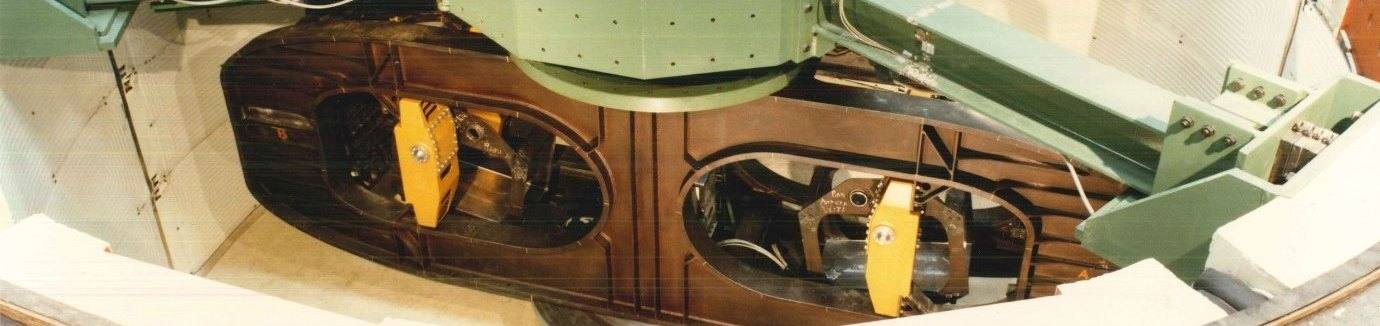
A geotechnical centrifuge reproduces on reduced-scale models the same stress state found on site, by increasing gravity through rotation. This matters because the mechanical behaviour of soils depends on the stress they are under.
How it works
The model, built at 1:N scale with natural or reconstituted soil, sits in the basket at the end of the arm. As it spins, the centrifuge subjects the model to N times Earth’s gravity: a one-metre-high model at 50 g develops the same stresses as a 50-metre deposit.
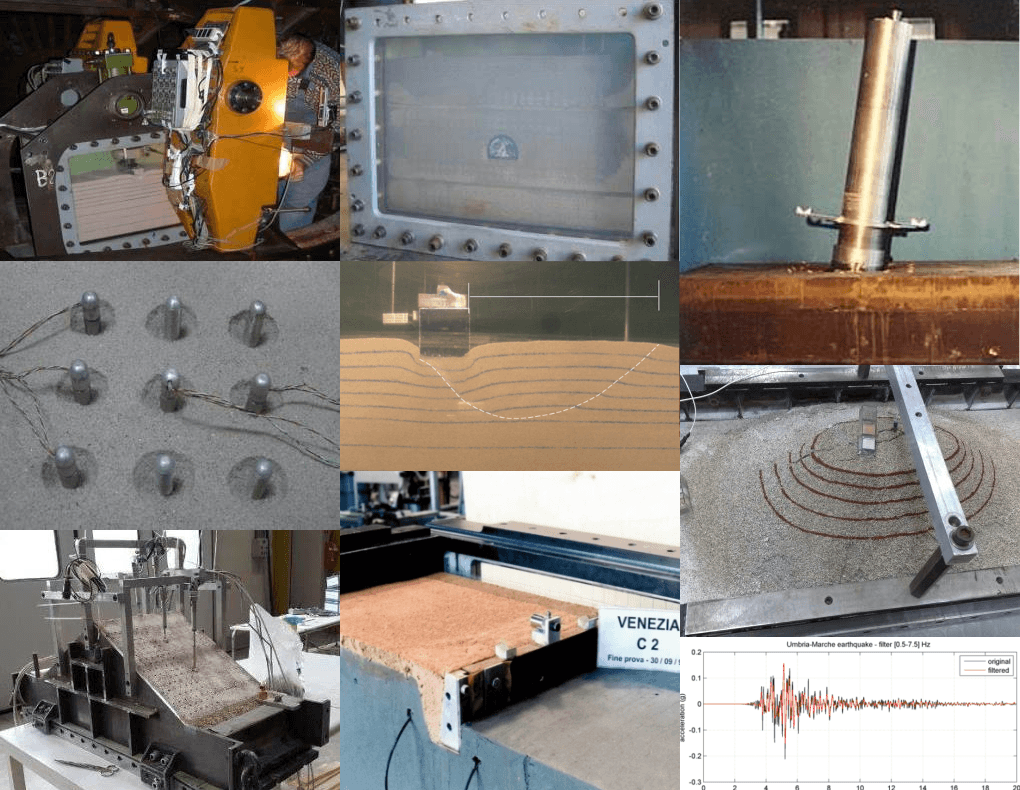
Once the correct stress state is reached, we apply vertical and horizontal loads to the model and structures, up to failure. With the earthquake simulator we also reproduce seismic shaking, to check the seismic behaviour of the soil structure system.
- In operation since
- 1988
- Earthquake simulator
- since 2010
- In Italy
- the only operating geotechnical centrifuge
- In Europe
- one of four dynamic centrifuges
Applications
Static applications
- Stability and failure mechanisms of shallow and deep foundations
- Embankments, landslides, retaining walls and diaphragm walls
- Excavations and tunnels
- Soil improvement with reinforcements
- Subsidence
Dynamic applications
- Seismic wave propagation and local amplification
- Liquefaction susceptibility of sand deposits and lenses
- Seismic behaviour of earthworks and natural slopes
- Dynamic soil structure interaction for surface and underground works
Centrifuge projects
- Leaning Tower of PisaReproducing the equilibrium of the tower and checking the proposed stabilisation techniques.
- Murazzi sea walls, VeniceEighteenth-century retaining walls under tidal cycles, and piles to reduce settlement.
- MOSE, VeniceChecking the design of the foundations on non-contact piles.
- Montedomini tunnel, A14 motorwayChecking the tunnel widening design.
- Nenskra dam, GeorgiaChecking the seismic behaviour of the rockfill dam.
Questions about the centrifuge
Why use a centrifuge instead of a normal scale model?
Soil behaviour depends on stress. In a small model at normal gravity the stresses are too low and the soil behaves differently from reality. In a centrifuge at N times gravity, a 1:N scale model reaches the same stresses as the prototype.
What can be studied with the earthquake simulator?
Seismic wave propagation and local amplification, liquefaction of sand deposits, the seismic behaviour of dams, levees and slopes, and dynamic soil structure interaction, including foundations and underground works.
A structure to verify?
Tell us about the ground, the structure and your timing: we will propose the right testing programme.